


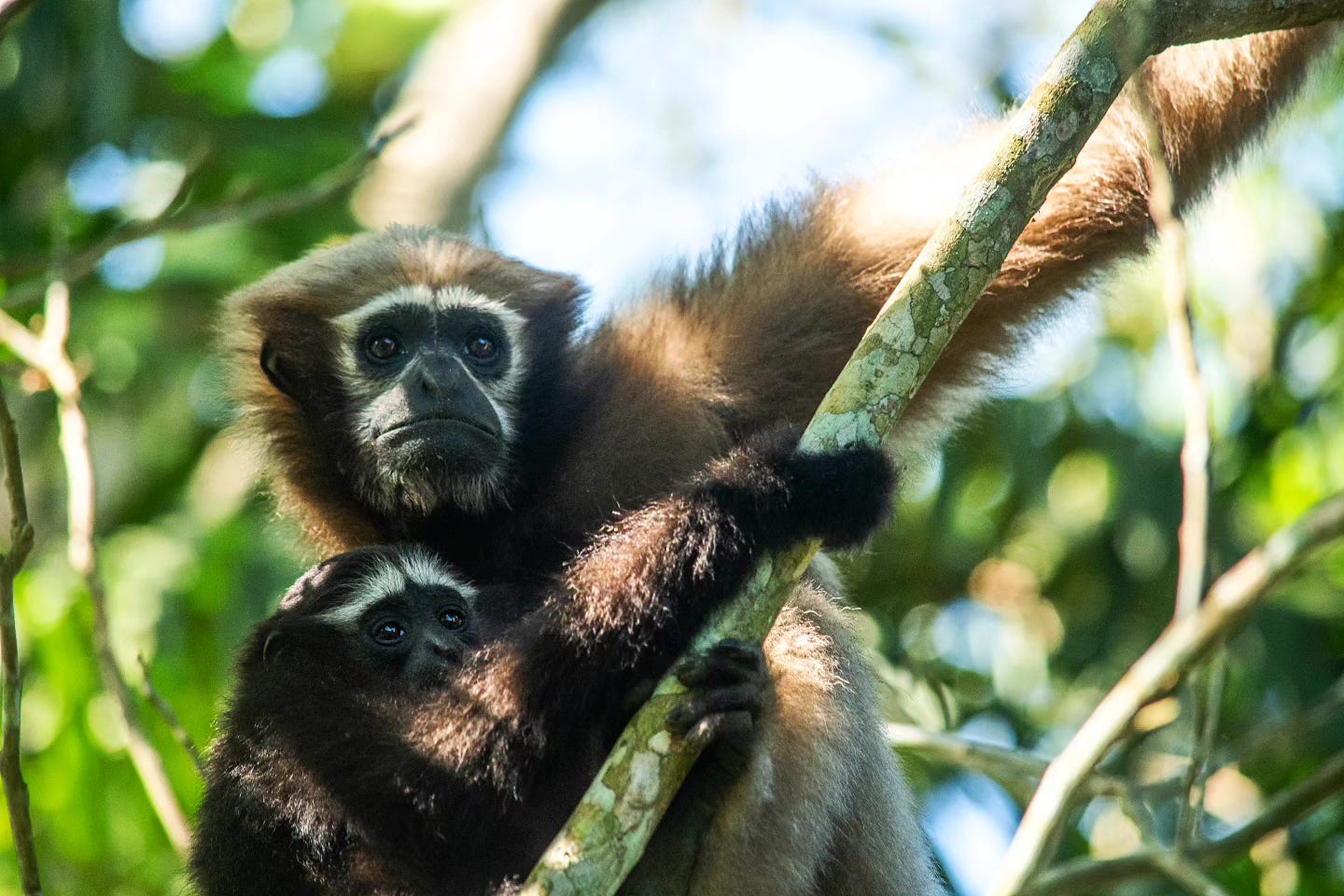
Rongi & Gelci
These were Ishika Ramakrishna’s words—half-laughing, half-serious—as she introduced us to the enchanting world of gibbons she’s cherished for years. With bright eyes she shared photos and videos of their interactions with each other and with humans. Her love for them was palpable, even through a small Google Meet window.
That one hour with her changed how I see gibbons forever.
As I reflected on the smile I carried on my face the rest of the day, I realised what she had done. She had seeded a fragment of her love for gibbons in me. Perhaps, the shift between “I know this animal exists” to “I can recognise Rongi’s face”, I felt a deeper sense of wonder for the world I inhabit and connection to these beautiful primates. Now, I feel more strongly about doing better by them.
What Ishika had done was so potent.
And slowly I realised that I had been impacted by so many people who have done the same.
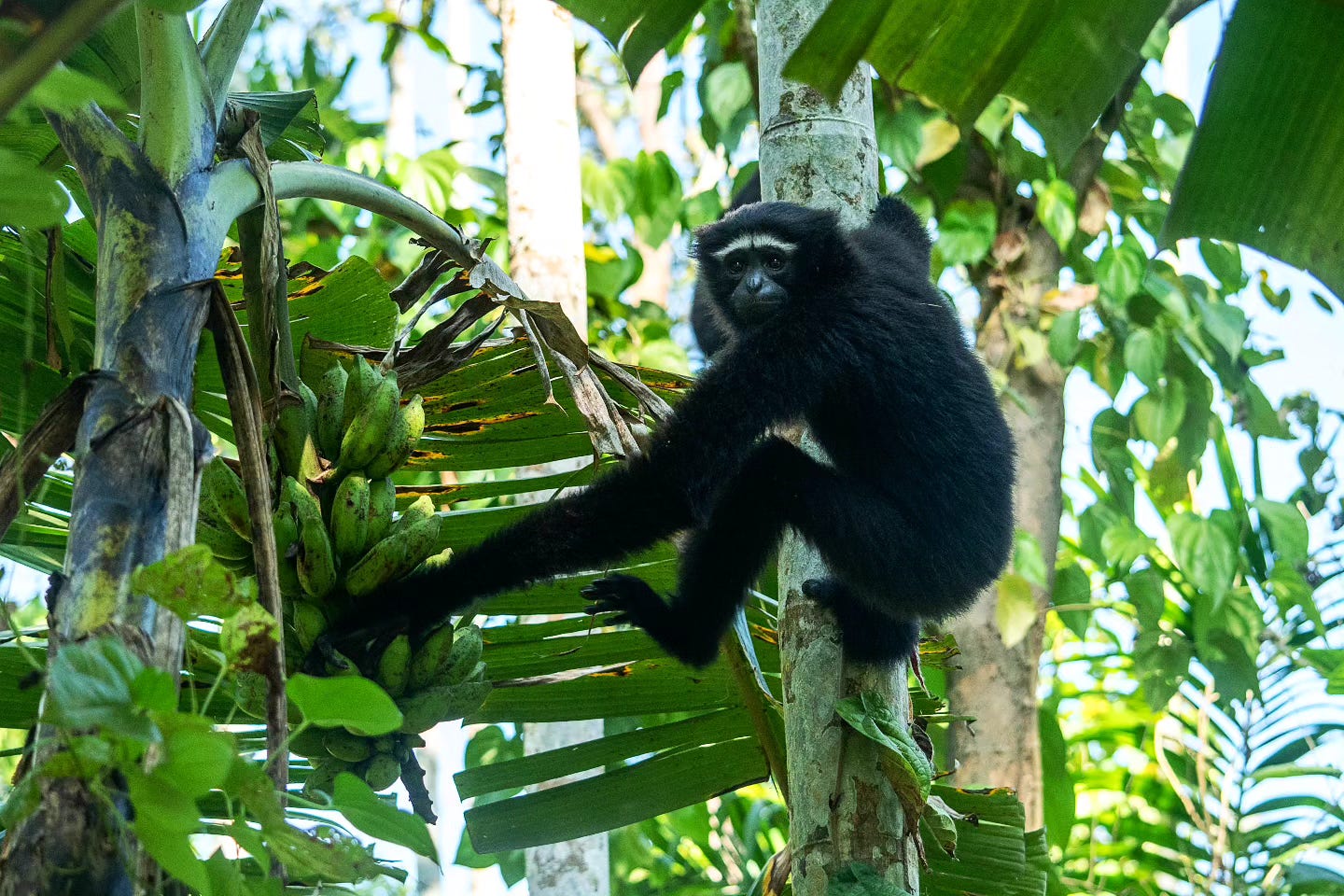
Bonzo
I started consuming millets after I heard Dinesh Kumar talk about them. Who would have thought one could get teary eyed after listening to the growth and benefits of such humble grains? At any moment, he carries millet seeds in his pocket. Thanks to Saneev Kumar, I now find myself contemplating the breed of goats I see around me. Fun fact: he would not share a photo of his for a website profile without featuring his beloved goats. Anish Andheria has opened my ears to the melodies of birds and frogs joining our workshops meetings—an orchestra of nature, waiting to be heard. Authors like Robin Wall Kimmerer weave their magic through words in Braiding Sweetgrass, illuminating the intricate connections between humans and nature.
People like these do something very particular. They don’t simply present facts or tell the truth. They elevate our understanding. They take us beyond pollution levels and landslide headlines, and into lived scenes that stay in the mind. They bring stories, field notes and a resolutely stubborn affection that changes what we are able to notice. Radiating love, wonder and adoration, they reveal captivating stories of Venkatachalia and his associates—the elephants curiously exploring hidden cameras and skillfully navigating electric fences put up by farmers. They share stories of whales that faithfully follow their injured companions to shore, ensuring they are not alone in their final moments.Their work shifts the lens on the world around us.
They are not changing the world. They are loving it.
They don’t simply tell us what they are against, they tell us what they are for. They unveil the beauty in our everyday surroundings, reminding us why our world is worth loving and protecting. They show us amazing things are happening if only we stop and notice. They are not changing the world. They are loving it.
As I step into 2026, I feel that this is what justice-making needs more of.
We justicemakers spend our days inside hard subjects, prisoners, children in conflict with the law, women fighting for safety and dignity, forests under pressure, human-animal conflict that turns lethal fast. This work is fundamentally rooted in love. Love for people, plants, primates, and our planet. Every effort we make—be it providing legal aid, securing land and forest rights, or creating livelihood opportunities—stems from a deep care for the specific communities and species we serve. This love emerges from the chance to engage closely with them and recognise the intrinsic worth that deserves our love and nurturing.
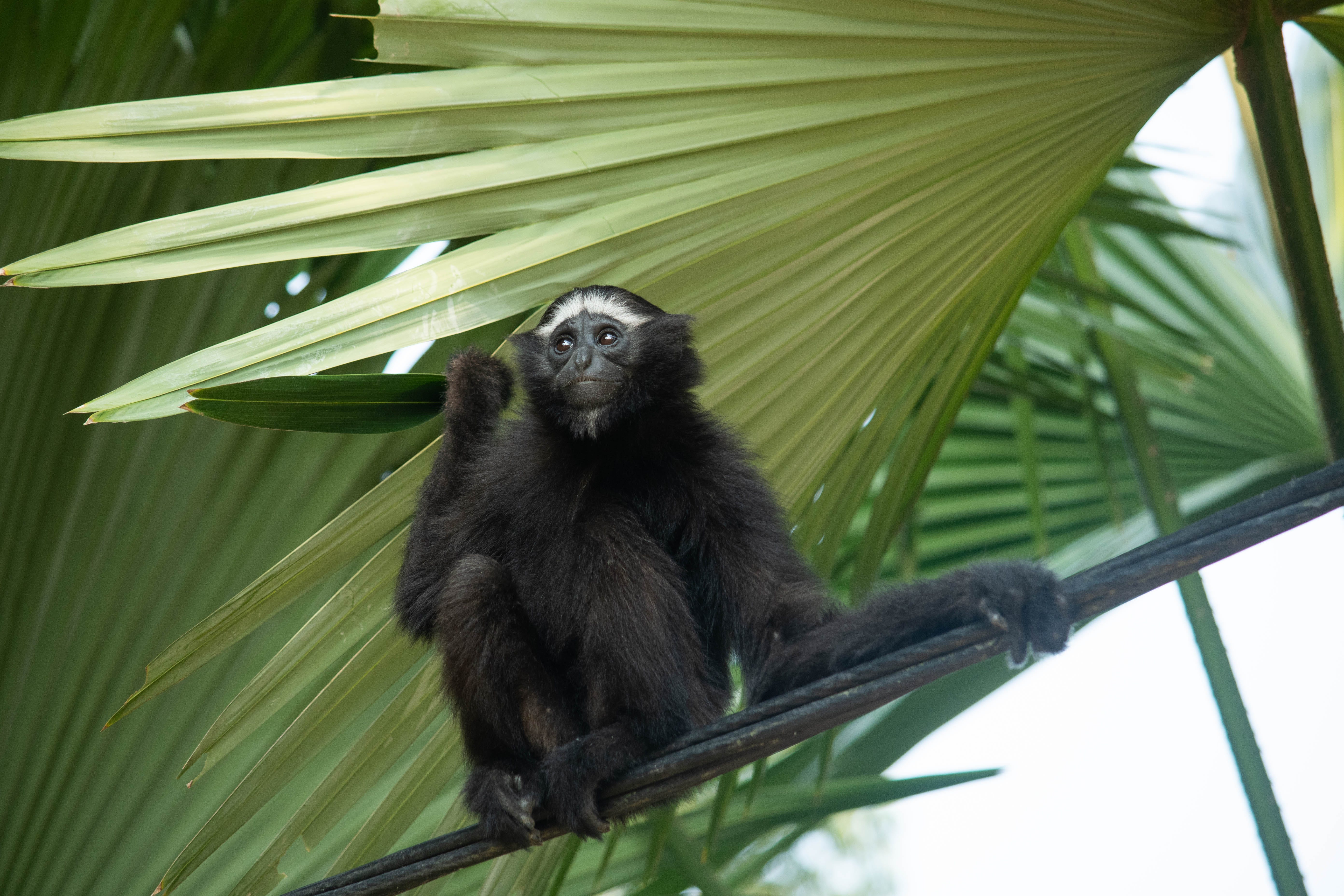
Puali
Unfortunately, many in society have not had this opportunity. Distant from specific communities or species, they struggle to develop the connection needed to care, and as a result, justice remains elusive.
Recognising this challenge highlights the importance of our focus: What if we could actively forge meaningful connections?
Instead of spending most of our time highlighting the brokenness of our system: mounting pendency or the state of undertrials, we showcase what is possible. We make visible the inherent value, resilience, and beauty within these communities. We shift the narrative to enable resonance. To truly see the teenager who took his friend’s life—not just as a criminal, but as a young person with regrets, fears and dreams. As someone who played football and did not like to eat dal. Similarly, rather than lamenting the destruction of mountains, which usually only leaves people in despair, can we help people see the bees that gently fall asleep in flowers when they gather nectar? Will people respond to the crisis differently if they grew to love and value all bees?
Unconsciously many of us have fallen into the trap of responding solely to what is not working, fluent in what is broken and entangled in a vicious cycle of reaction. While building legal awareness and providing legal aid for marginalised communities is crucial, such focus can consume our daily lives. We forget to notice when we become insular. When we remember, we write reports, articles, and create videos that illuminate the problems, but often fail to evoke, inspire and connect. We miss the vital work of building bridges—helping people outside the field shift their perceptions, see what’s worth loving, and attending.
What if we could actively forge meaningful connections?
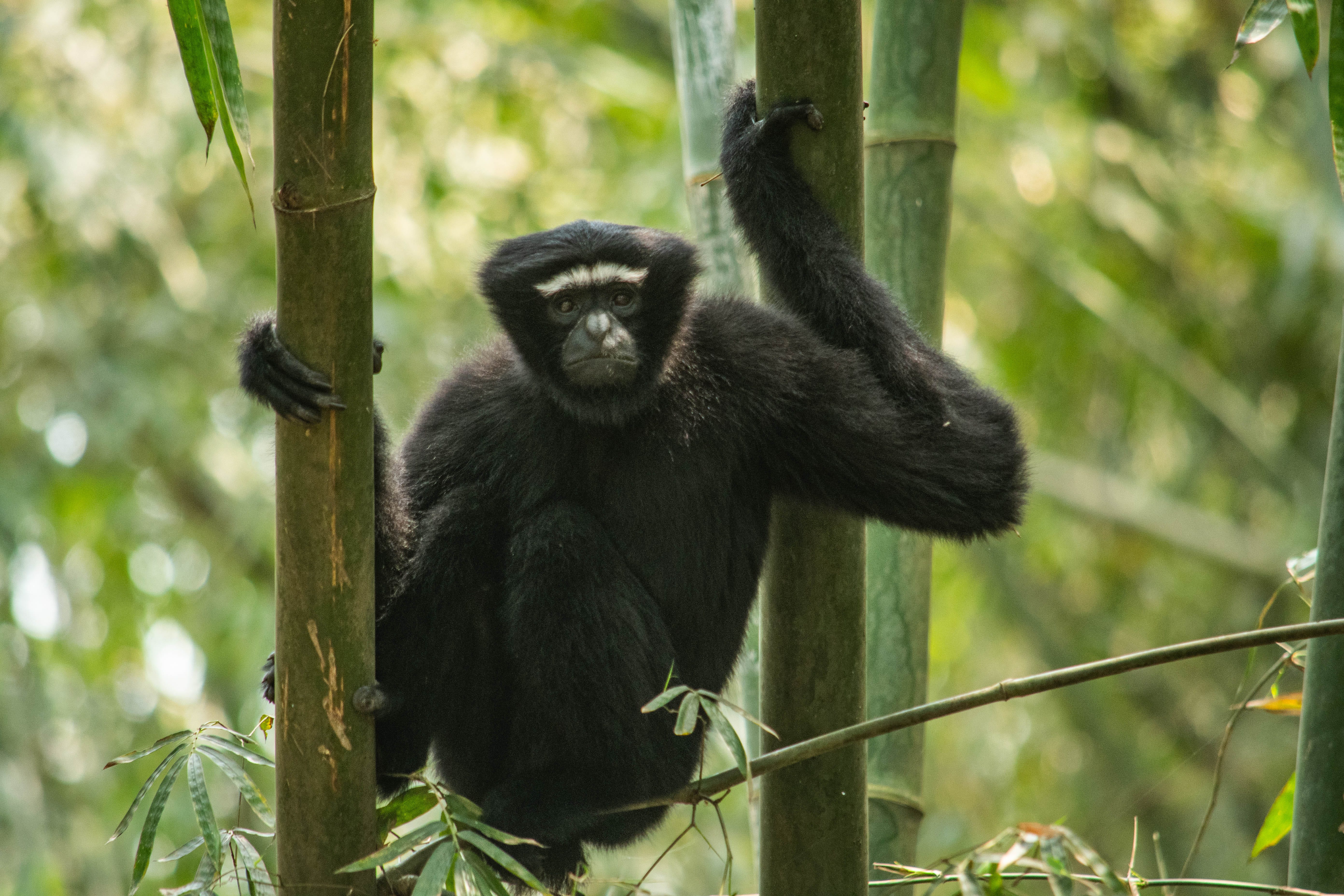
Niru
As our challenges outpace our solutions, we must pause and assess where to invest our energies. We can no longer afford to be firefighters battling a massive forest fire with a single water pipe. Instead, we need to illuminate our shared sense of beingness—our connections to each other, the primates, and the planet. We must collectively build pathways for connection and action.
Jean Houston once said “We can only go where we have first imagined. And so if we can’t imagine it, we can’t create it.” We need to envision the world as it ‘can be’ and invite others to imagine it alongside us.
By doing so, we will not only be more effective but also find greater joy in our everyday work.
Lets collectively marvel at the human journey, cherish the forests, appreciate the crocodiles, and acknowledge the wildfires—everything that intertwines to create the intricate tapestry of life.
Praani is our note on listening better to the voice of nature, ways of amplifying them, and finding pathways to bring them into our ways of governance. At Agami, we are deeply interested in how rivers, forests, animals, and even the winds and the stones, might speak into our deliberations on justice.
I like Bonzo's attitude. Hand in cookie jar and expression 'who me?'
Thank you for sharing this, it was heartfelt :)